
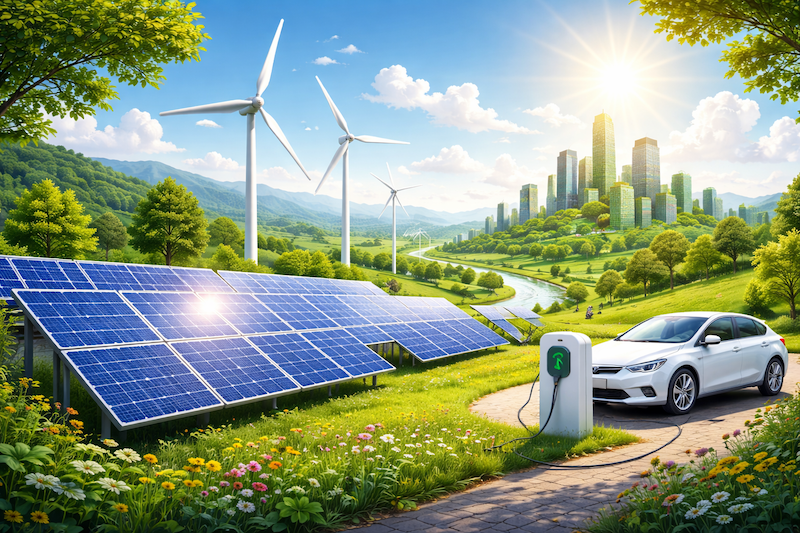
Sustainability has become one of the defining concepts of the 21st century. As global challenges such as climate change, resource depletion, and social inequality intensify, sustainability offers a framework for building a future that supports both people and the planet. Rather than focusing solely on short-term growth, sustainability emphasizes balance, resilience, and long-term responsibility.
This article explores what sustainability means, why it is essential for a brighter future, and how it is influencing the way societies, businesses, and individuals shape tomorrow.
What Does Sustainability Mean?
Sustainability refers to meeting present needs without compromising the ability of future generations to meet theirs.
At its core, sustainability balances three interconnected dimensions:
- environmental responsibility
- social well-being
- economic viability
True sustainability requires progress in all three areas simultaneously.
Why Sustainability Matters More Than Ever
Modern societies depend heavily on natural systems.
However:
- ecosystems are under pressure
- climate patterns are changing
- resources are being consumed faster than they regenerate
Sustainability addresses these challenges by encouraging smarter use of resources and more thoughtful decision-making.
Environmental Sustainability and Planetary Health
Environmental sustainability focuses on protecting natural systems.
Climate Change and Emissions Reduction
Reducing greenhouse gas emissions is a central goal.
Key approaches include:
- transitioning away from fossil fuels
- improving energy efficiency
- protecting forests and oceans
These actions help stabilize climate systems and reduce extreme weather risks.
Biodiversity and Ecosystem Protection
Healthy ecosystems:
- support food production
- regulate water and air quality
- sustain life on Earth
Sustainable practices aim to preserve biodiversity rather than exploit it.
Social Sustainability and Human Well-Being
Sustainability is not only about the environment.
Equity and Inclusion
A sustainable society:
- promotes equal access to resources
- supports fair labor conditions
- values diversity and inclusion
Social stability strengthens long-term resilience.
Health, Education, and Community
Investing in:
- healthcare
- education
- safe living environments
creates stronger, more adaptable communities capable of facing future challenges.
Economic Sustainability and Long-Term Growth
Economic sustainability ensures that growth does not come at the expense of future prosperity.
From Short-Term Profit to Long-Term Value
Sustainable economies focus on:
- responsible production
- innovation
- resilience to disruption
This shift encourages smarter investments and reduces systemic risks.
Circular Economy Principles
Instead of a linear “take-make-waste” model, circular systems:
- reuse materials
- reduce waste
- extend product lifecycles
This lowers environmental impact while supporting economic efficiency.
The Role of Renewable Energy
Energy systems play a critical role in sustainability.
Transitioning to Clean Energy Sources
Renewable energy:
- reduces emissions
- improves energy security
- lowers long-term environmental costs
Solar, wind, hydro, and other renewables are reshaping global energy production.
Innovation Driving Energy Transformation
Technological progress continues to improve:
- energy storage
- grid efficiency
- decentralized power generation
For deeper insight into this transformation, The Future of Renewable Energy highlights how clean energy systems are shaping a more resilient and sustainable world.
Sustainability in Cities and Infrastructure
Urban areas are central to sustainable development.
Sustainable Urban Planning
Cities can become more sustainable by:
- improving public transportation
- increasing green spaces
- designing energy-efficient buildings
Smart planning reduces pollution and enhances quality of life.
Resilient Infrastructure
Sustainable infrastructure:
- withstands climate impacts
- uses durable materials
- adapts to changing needs
Resilience is a key component of long-term sustainability.
Business and Corporate Sustainability
Businesses play a major role in shaping the future.
Responsible Production and Supply Chains
Sustainable businesses:
- reduce environmental footprints
- ensure ethical sourcing
- improve transparency
These practices build trust and long-term value.
Innovation and Competitive Advantage
Sustainability drives innovation by:
- encouraging new technologies
- reducing inefficiencies
- opening new markets
Many companies now view sustainability as a strategic advantage.
Individual Actions and Everyday Sustainability
Individuals also contribute to a brighter future.
Conscious Consumption
Everyday choices matter:
- reducing waste
- conserving energy
- choosing sustainable products
Small actions collectively create meaningful impact.
Education and Awareness
Understanding sustainability:
- empowers informed decisions
- encourages civic engagement
- supports cultural change
Knowledge is a powerful catalyst for progress.
Challenges to Achieving Sustainability
Despite progress, obstacles remain.
Economic and Political Barriers
Challenges include:
- unequal access to resources
- resistance to change
- conflicting short-term interests
Addressing these requires collaboration and leadership.
Balancing Growth and Preservation
Sustainable development must balance:
- economic growth
- environmental protection
- social needs
This balance is complex but achievable.
The Future Outlook for Sustainability
The path forward depends on collective action.
Technology and Collaboration
Advances in technology combined with:
- global cooperation
- shared knowledge
- policy alignment
can accelerate sustainable solutions.
A Shift in Values
Long-term sustainability requires:
- redefining success
- valuing resilience over excess
- prioritizing future generations
Cultural change is as important as technical solutions.
Common Misunderstandings About Sustainability
- that it limits progress
- that it is too costly
- that individual actions do not matter
In reality, sustainability enables innovation and long-term stability.
How Sustainability Shapes a Brighter Future
Sustainability creates a future where:
- natural systems thrive
- societies are more equitable
- economies are resilient
It offers a path toward lasting prosperity.
Summary
Sustainability is shaping a brighter future by transforming how societies balance environmental protection, social well-being, and economic development. From renewable energy and sustainable cities to responsible business practices and individual choices, sustainability influences every level of modern life. While challenges remain, continued innovation, collaboration, and awareness make it possible to build a future that supports both people and the planet for generations to come.

0 Comments